
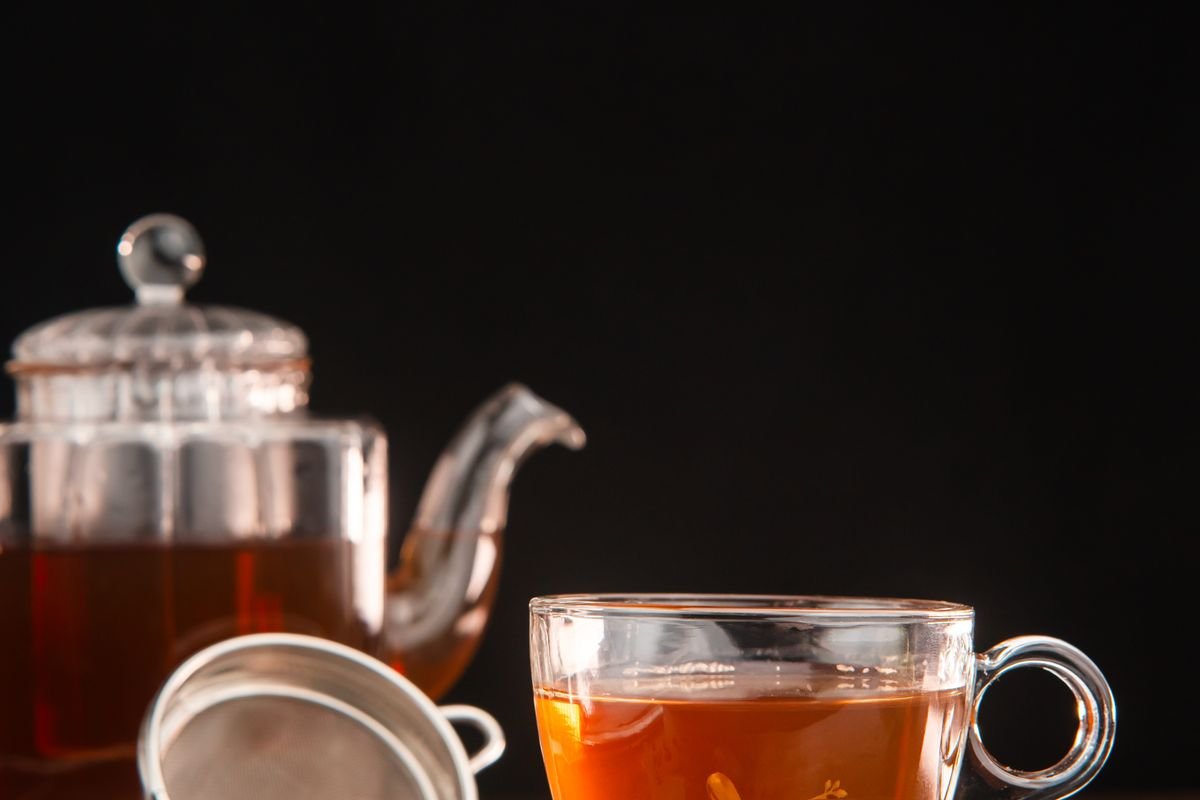
A practical look at fennel tea benefits, what the drink really contains, whether it can help digestion, how to brew it, and the safety questions that deserve more attention.
A cup of fennel tea has a familiar place in many kitchens. The seeds, often called saunf, give hot water a gentle sweetness and an anise-like aroma. In some families the drink appears after a heavy meal; in others, it is a familiar remedy for a bloated stomach. Those traditions explain its popularity, but they do not tell us exactly how well it works. To answer that, we have to separate what people have used fennel for, what scientists have tested and what is still uncertain.
What is fennel tea?
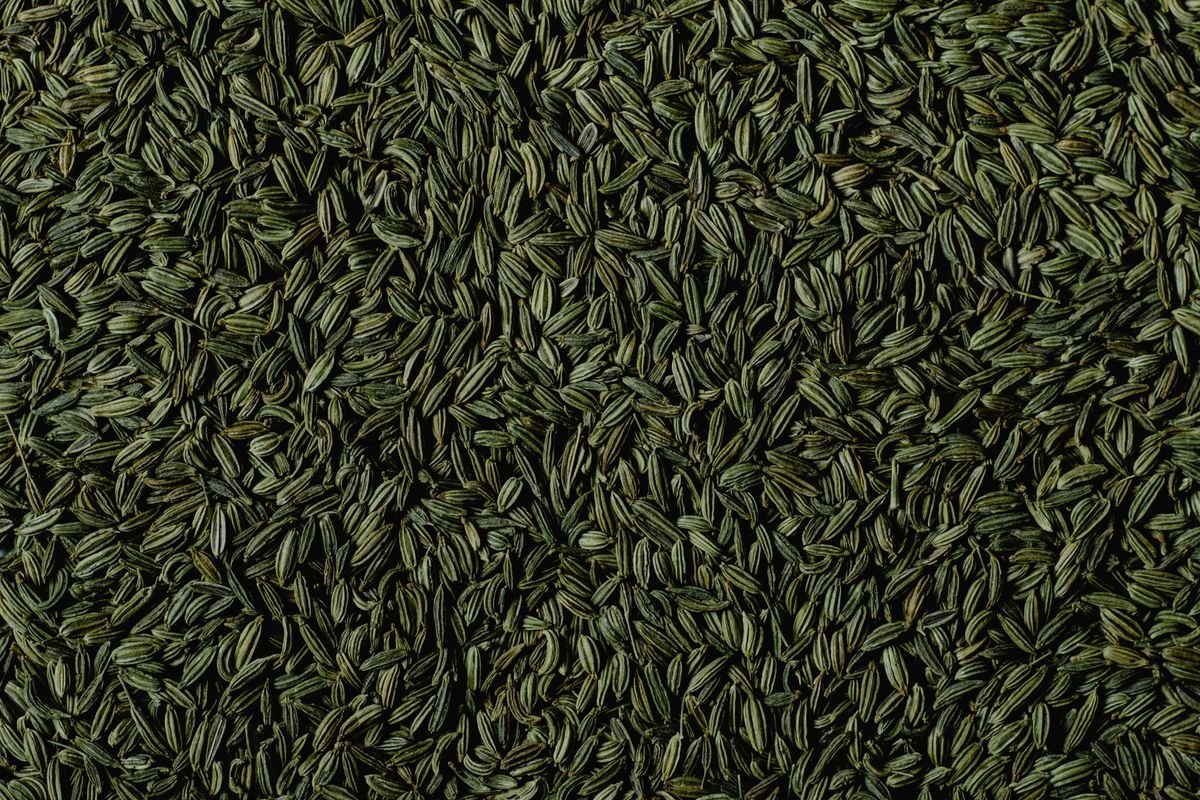
Fennel tea is an infusion made from the dried fruits of Foeniculum vulgare. They are usually called seeds in the kitchen, although botanically they are fruits. Sweet and bitter fennel are both used in herbal preparations. When the fruits are lightly crushed and steeped in hot water, they release aromatic compounds, including anethole, that give the drink its distinctive flavour. The infusion is naturally caffeine-free when it contains fennel alone.
Fennel is not the same as the leafy vegetable cooked in salads or roasted dishes, and an essential oil is not interchangeable with a brewed tea. Essential oils are highly concentrated. Drinking fennel essential oil should not be treated as a homemade alternative to the tea.
Does fennel tea help with bloating and digestion?
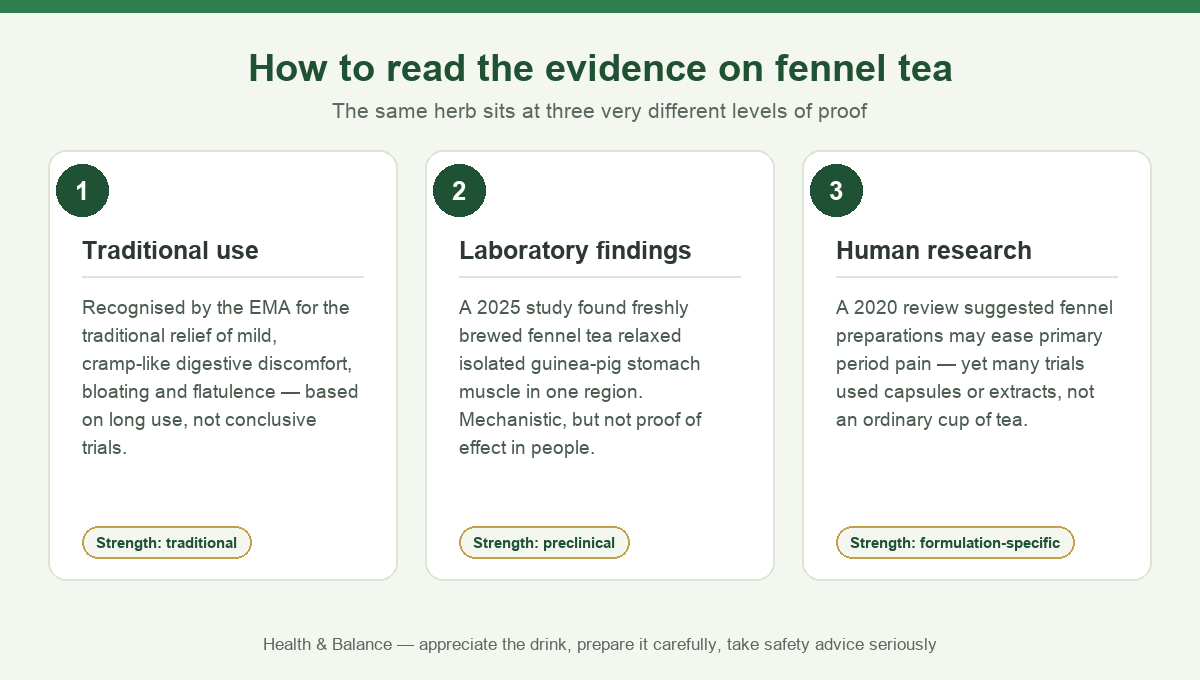
This is the benefit most often associated with fennel. The European Medicines Agency recognises fennel fruit preparations for the traditional relief of mild, cramp-like digestive discomfort, including bloating and flatulence. The key word is traditional. The recognition is based on a long history of use and plausible effects, not on large, conclusive human trials showing that a mug of fennel tea reliably treats bloating.
A 2025 laboratory study offers one clue about how fennel tea might act. Researchers exposed isolated guinea-pig stomach muscle to freshly prepared fennel tea. The tissue from the upper stomach relaxed, while activity in a different stomach region changed in another way. That is interesting mechanistic research, but isolated animal tissue cannot establish what happens after a person drinks a cup. The amount of fennel absorbed, individual differences and the cause of the symptoms all matter.
If someone enjoys fennel tea after a meal, it can be part of a comforting routine. But recurring bloating may have other causes, including constipation, food intolerance or an underlying digestive condition. Symptoms that persist, worsen or come with weight loss, vomiting or blood in the stool deserve medical assessment.
Could fennel help menstrual cramps?
Fennel has also been used traditionally for period cramps. A 2020 systematic review of randomized trials found signs that fennel preparations may reduce pain associated with primary dysmenorrhea. Yet the studies varied in quality and formulation, and several tested capsules, extracts or other preparations rather than an ordinary cup of tea. The review also reported substantial differences among study results. That makes it unreasonable to promise the same effect from a homemade infusion.
Someone who likes the flavour may enjoy fennel tea as a warm drink during their period, but severe or unusually painful periods should not be managed with tea alone. Evidence-based treatment options can be discussed with a healthcare professional.
What about antioxidants, weight loss and “detox”?
Fennel contains naturally occurring plant chemicals, and studies of its extracts describe antioxidant activity under laboratory conditions. Those experiments do not show that drinking fennel tea prevents disease or measurably reduces inflammation in people. Claims that it “detoxes the liver,” melts belly fat or balances hormones are not supported by strong clinical evidence for the tea.
The simplest genuine advantage is that an unsweetened cup can replace a sugary drink while offering flavour without caffeine. That is a dietary choice, not a therapeutic effect unique to fennel.
How to make fennel herbal tea at home
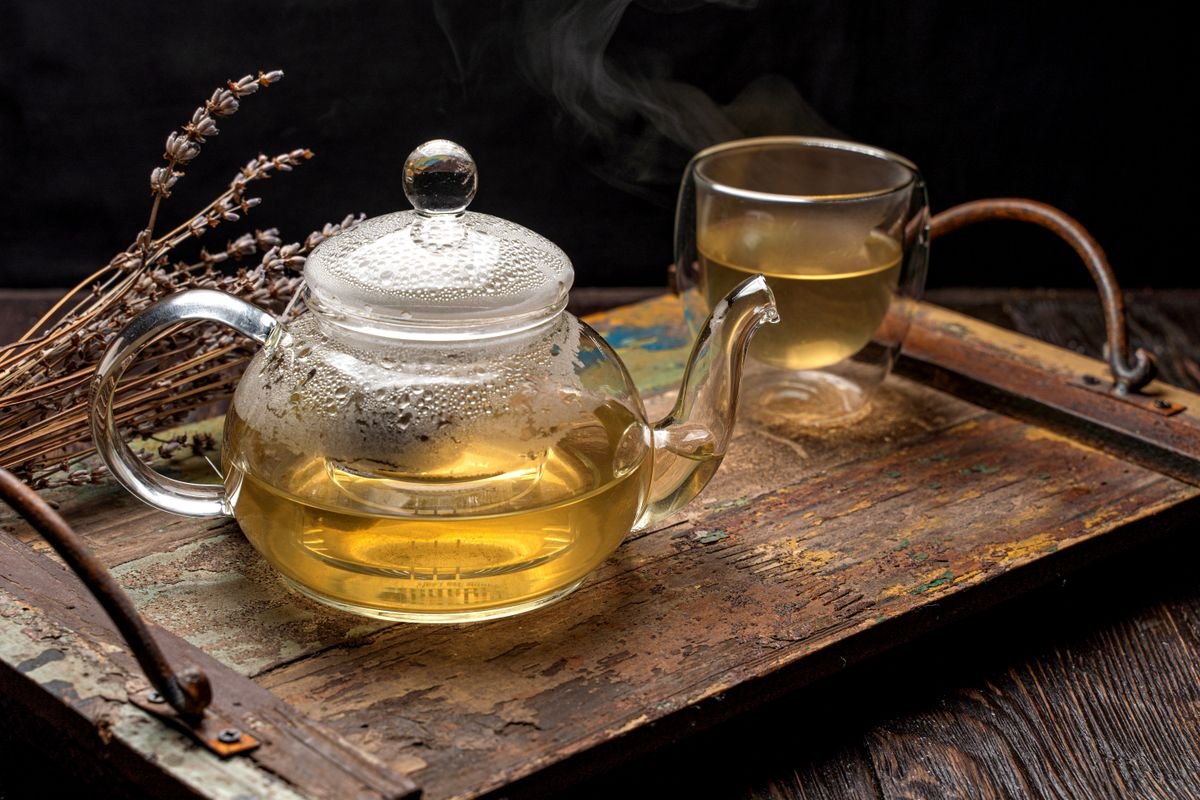
This preparation is based on the European herbal monograph for adults and adolescents, which describes approximately 1.5 g of crushed fennel fruit in 250 mL of boiling water, steeped for 15 minutes. It is a reference preparation, not a blanket recommendation that everyone should drink the tea daily.
Ingredients for one cup
- About 1.5 g of food-grade dried fennel seeds, preferably weighed rather than guessed by spoon size
- 250 mL of freshly boiled water
- A clean cup, tea infuser or strainer
Method
- Lightly crush the seeds with a mortar or the back of a spoon. Crushing exposes more of the aromatic material to the water.
- Place the crushed fennel in a clean cup or tea infuser and add 250 mL of freshly boiled water.
- Cover and leave to steep for approximately 15 minutes, following the monograph preparation.
- Strain the seeds and let the drink cool to a comfortable temperature. Drink it plain if you want to judge its natural flavour.
A covered cup helps keep the aroma from escaping during steeping. If you prefer a lighter flavour, use less fennel, but remember that changing the amount and brewing time also changes the preparation. The concentration of naturally occurring constituents in a home brew cannot be accurately measured by taste or appearance.
How much fennel tea is safe to drink?
There is no single proven safe daily amount for every person and every fennel product. Medicinal herbal monographs describe specific short-term preparations, but the safety question is complicated by estragole, a natural compound present in fennel. Its concentration can vary according to plant variety and processing. More tea or a stronger brew should not be assumed to be better.
In July 2025, the European Food Safety Authority published a draft assessment warning that it could not establish a safe exposure level for estragole in fennel seed preparations. It identified particular concern for infants, young children and exposure during pregnancy or breastfeeding. The draft status matters: it was a consultation-stage assessment, not a claim that every occasional cup causes harm. Nevertheless, its concerns deserve attention alongside the latest European medicinal-product rules, which recommend avoiding fennel preparations during pregnancy and lactation when safety has not been established.
For that reason, Health and Balance does not recommend daily medicinal use without individual advice. Pregnant or breastfeeding people should avoid using fennel tea as a remedy unless a qualified clinician advises otherwise, and fennel tea should not be given to infants or young children as a home treatment. For related guidance on nutrition in pregnancy, see our guide to pregnancy supplements.
Who should avoid fennel tea or ask for medical advice?
People allergic to fennel or related members of the carrot family, such as anise, celery, coriander, dill or caraway, may react to fennel preparations. Some people with mugwort pollen allergy can also experience cross-reactions. Stop using the drink and seek care if it causes wheezing, swelling, a rash or other signs of an allergic reaction.
People taking medicines or managing an ongoing health condition should ask a pharmacist or clinician before using concentrated herbal products. The absence of a documented interaction does not prove that every combination is safe. Tea is also not a substitute for diagnosing persistent digestive symptoms.
How to choose and store fennel seeds
Choose food-grade seeds from a seller that identifies the ingredient clearly and keeps stock in clean, dry packaging. Avoid products with a musty smell, visible mould or unexplained added herbs. Store the seeds in a sealed container away from heat, moisture and direct sunlight. Whole seeds generally retain their aroma better than pre-ground fennel, so crushing them immediately before brewing is sensible for flavour.
If you buy a commercial fennel tea blend, check the full ingredient list. A product marketed for digestion may contain liquorice, senna or other botanicals with their own precautions.
Questions readers often ask
Can I drink fennel tea every night?
There is not enough evidence to recommend it as a long-term nightly treatment. Because exposure to estragole varies and some safety questions remain unresolved, avoid assuming that indefinite daily use is harmless.
Does fennel tea reduce belly fat?
No convincing clinical evidence shows that fennel tea specifically burns abdominal fat. Replacing sugary beverages with unsweetened tea may lower sugar intake, but that is different from a fat-burning effect.
Can fennel tea help a baby with colic?
Do not give fennel tea to a baby for colic without advice from their pediatric clinician. Safety concerns about estragole are especially important in infants and young children.
Is fennel tea the same as fennel essential oil?
No. A tea is an infusion in water, whereas essential oil is a highly concentrated preparation. Essential oil should never be substituted for the seeds in this recipe.
A balanced conclusion
Fennel tea is an aromatic drink with a long culinary and herbal history. Its traditional role in easing mild digestive discomfort is plausible, and laboratory research gives scientists reasons to keep studying it. What we do not yet have is strong evidence that a normal cup reliably treats bloating, prevents illness or produces the benefits promised in many online lists, the same gap between popular claims and tested evidence we examined with avocado oil. The most useful approach is to appreciate the drink for what it is, prepare it carefully and take safety advice seriously, especially for children and during pregnancy or breastfeeding.
Research and references
- European Medicines Agency. Sweet fennel fruit herbal summary, traditional indications and limitations. ema.europa.eu
- European Commission. Commission Implementing Decision (EU) 2026/334, current herbal-use conditions and precautions for fennel. eur-lex.europa.eu
- EFSA. Have your say: estragole in fennel seed preparations (July 2025; draft consultation). efsa.europa.eu
- Fennel tea has a region-specific effect on the motility of the stomach. Neurogastroenterology & Motility (2025); guinea-pig isolated-tissue study. pubmed.ncbi.nlm.nih.gov
- Fennel for reducing pain in primary dysmenorrhea: a systematic review and meta-analysis of randomized controlled trials (2020). pmc.ncbi.nlm.nih.gov
- National Library of Medicine, LactMed. Fennel (updated October 15, 2026), breastfeeding evidence and cautions. ncbi.nlm.nih.gov
- van den Berg et al. Chemical analysis of estragole in fennel-based teas and associated safety assessment (2014). pubmed.ncbi.nlm.nih.gov
Editorial disclosure: This article distinguishes recognised traditional use from laboratory and clinical evidence. It is intended for general education, not individual diagnosis or treatment. It has not received independent clinician sign-off.

One thought on “Fennel Herbal Tea: Properties, Benefits and Recipe”